What Is a 100-Year Flood Zone? FEMA Flood Zones and Flood Insurance Explained
Whether you live near a river, in a coastal area, or far inland, flood preparedness starts with understanding how flood zones work and what your insurance covers.
Flooding is the most common natural disaster in the United States, yet many homeowners misunderstand what terms like “100-year flood zone” mean and don’t have adequate coverage to protect their properties. Understanding the 100-year flood zone meaning can help homeowners evaluate their flood risk and insurance needs.
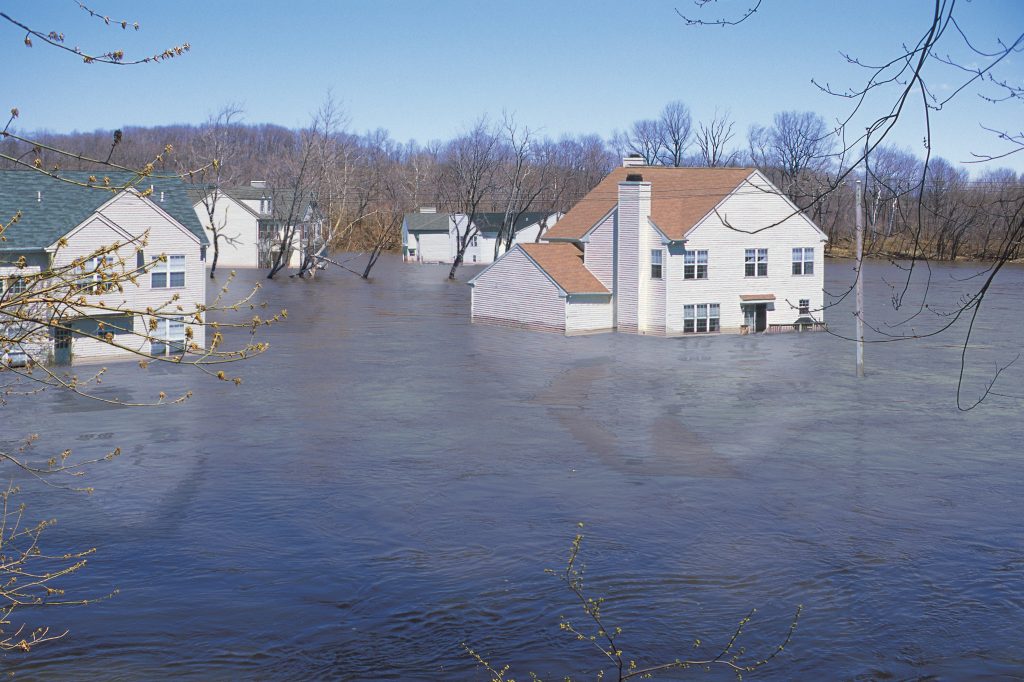
What Does “100-Year Flood” Actually Mean?
A 100-year flood does not mean a flood happens once every 100 years. Instead, it refers to a 1% annual chance of flooding in any given year. The risk for flooding resets every year and a property in a 100-year flood zone can experience multiple floods within a few years.
Subsequently, over the life of a 30-year mortgage, homes in a 100-year flood zone have about a 26% chance of flooding.
Understanding FEMA Flood Zones
The Federal Emergency Management Agency (FEMA) classifies areas into flood zones based on flood probability and elevation studies. Flood maps are based on historical data and modeling, so actual flood events can extend beyond mapped boundaries.
High-Risk Flood Zones (Special Flood Hazard Areas) have at least a 1% annual chance of flooding. Properties in these zones are generally required to carry flood insurance if the mortgage is federally backed.
Moderate-to-low risk zones generally do not require flood insurance for federally backed mortgages. However, lenders may still require coverage, and roughly 25% of flood insurance claims come from these lower-risk areas.
Why Flood Insurance Matters
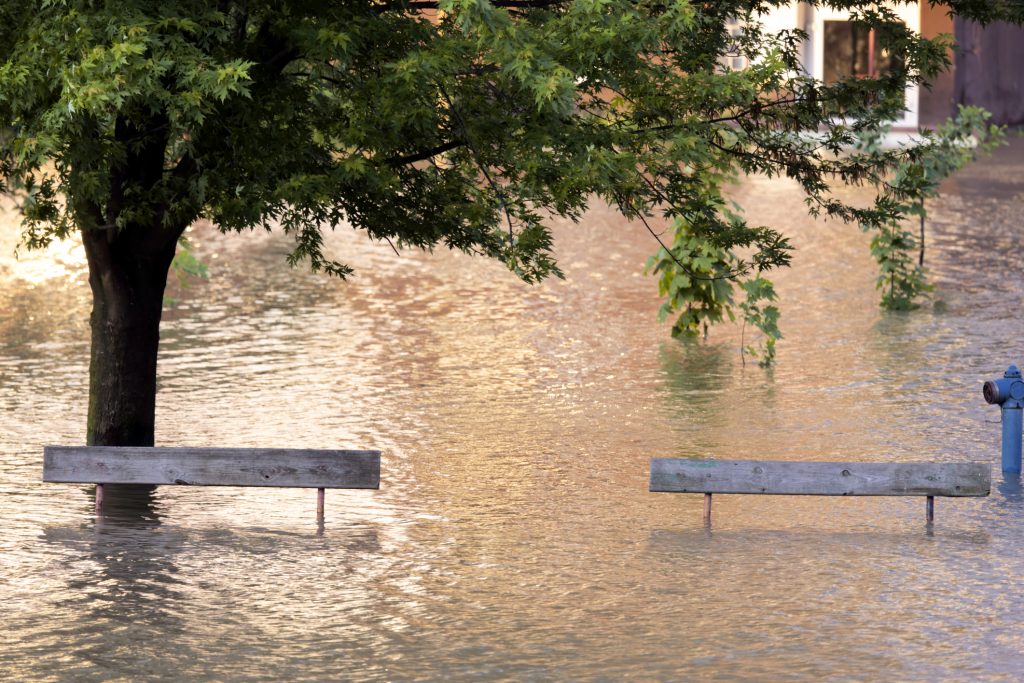
Many homeowners assume their standard homeowner’s insurance policy covers flooding. Unfortunately, most policies do not include flooding and exclude damage caused by:
- Rising water
- Storm surge
- River overflow
- Flash flooding
Flood Insurance Options
National Flood Insurance Program (NFIP)
The National Flood Insurance Program (NFIP), managed by FEMA, provides flood coverage for homeowners, renters, and businesses in participating communities and typically offers building coverage of up to $250,000 and coverage for contents up to $100,000.
Private Flood Insurance
Private insurers now offer additional flood coverage options that may provide:
- Higher coverage limits
- Replacement cost coverage
- Shorter waiting periods
- Additional living expenses coverage
Therefore, private flood insurance may offer more flexible coverage options depending on the provider and property.
Prepare for the Flood
Ultimately, understanding flood zones and insurance coverage is an essential part of protecting your home and financial security.
A 100-year flood zone simply means there is a 1% chance of flooding each year, and that risk adds up over time. Reviewing your flood risk and insurance coverage today can make a major difference when severe weather strikes.
Plan ahead and don’t get stuck underwater.
Additional Resources:
FEMA Flood Maps
https://www.fema.gov/flood-maps
Flood Map Service Center
https://msc.fema.gov
Flood Insurance Information (NFIP)
https://www.floodsmart.gov

InsuranceStudy has been providing continuing education for Insurance Professionals and Certified Financial Planners for more than 20 years. Our insurance experts are dedicated to bringing you convenient, affordable, and compliant courses. Follow us on Facebook, Instagram or LinkedIn for more updates.
